Step Into Style: The Complete Guide to Sneakers, Leather Shoes, and Sports Shoes
Think about the last time your feet hurt by mid-afternoon, or the last time a great outfit fell flat because the shoes didn’t match. Footwear is easy to overlook, yet it affects how you walk, how you stand, how you feel, and how others see you.
The three most useful categories are sneakers, leather shoes, and sports shoes. They can look similar on a shelf, but each was built for a different job. This guide covers what makes each one special, how to choose well, and how to make your pairs last.
1. Sneakers: The Everyday Essential
Sneakers began as simple rubber-soled shoes for casual wear and sport. Today they are the most popular footwear on the planet, worn by students, designers, and CEOs alike. Their success comes from one rare combination: they are comfortable and stylish at once.
A sneaker’s rubber sole is flexible and quiet, and the upper is usually canvas, knit fabric, suede, or leather. The sole gives grip and cushioning, while the upper decides the look. A clean white leather sneaker feels sharp and minimal. A chunky retro pair feels bold and playful. A canvas low-top feels relaxed and timeless.


voguecarve

Popular Types of Leather Shoes
- Oxfords: The most formal style, with a closed lacing system and a sleek profile. Ideal for weddings, interviews, and business suits.
- Derbies: Similar to Oxfords but with open lacing, which gives a slightly more relaxed fit and look. They suit both office wear and smart-casual outfits.
- Loafers: Slip-on and easy to wear. They work with tailored trousers, chinos, or even shorts in warm weather.
- Brogues: Recognizable by their decorative perforations. They add personality to a formal or semi-formal outfit.
- Boots: Chelsea and chukka boots offer a polished look that carries through the cooler months.
Choosing the Right Color
Black is the safest choice for formal events and business settings. Brown is more versatile, working well with navy, gray, olive, and earth tones. If you can only buy one pair, a dark brown or black Oxford or derby covers the widest range of situations.
How to Make Leather Last
Leather shoes are an investment, and a little care goes a long way:
- Wipe them after wear to remove dust and moisture.
- Use shoe trees (cedar is best) to keep the shape and absorb sweat.
- Condition the leather every month or two so it doesn’t dry out and crack.
- Polish regularly to protect the surface and restore color.
- Rotate pairs. Giving shoes a day to rest lets them dry out fully.
With this routine, a well-made pair can last a decade or more, often outliving several pairs of cheaper shoes.
3. Sports Shoes: Engineered for Performance
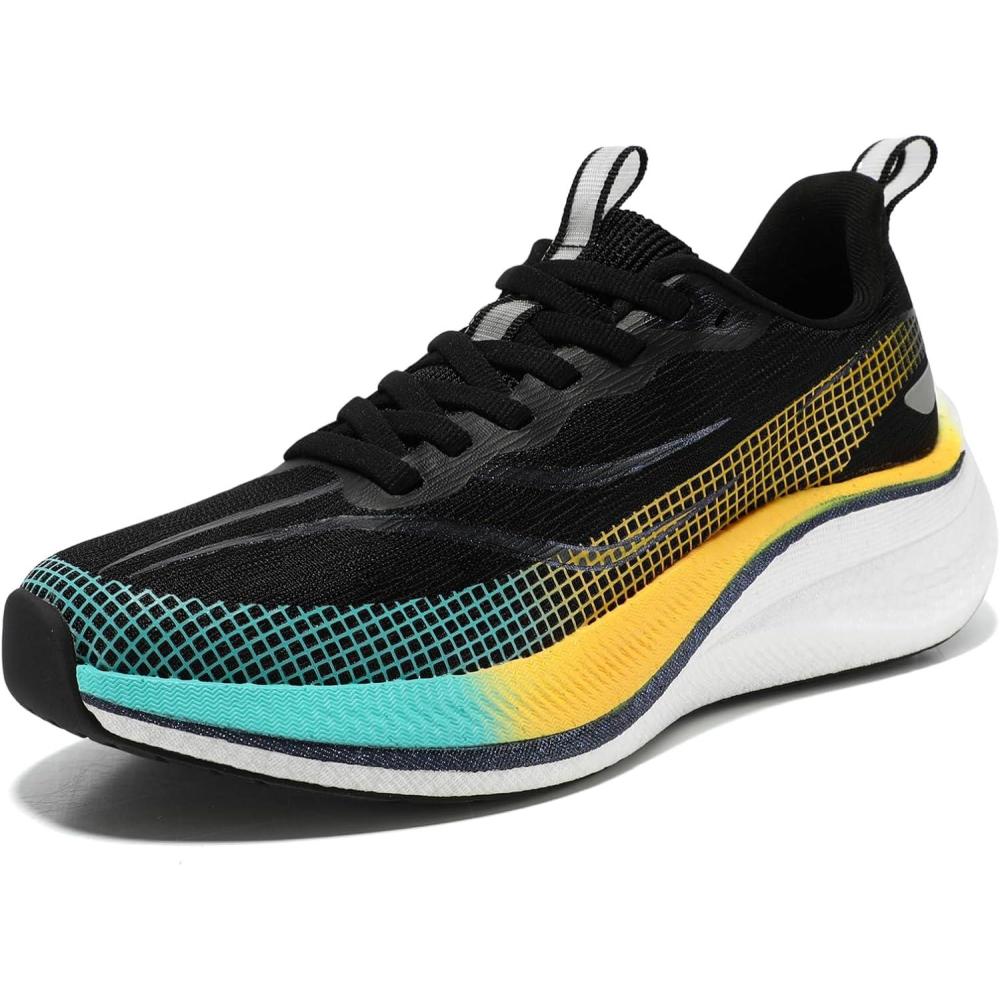
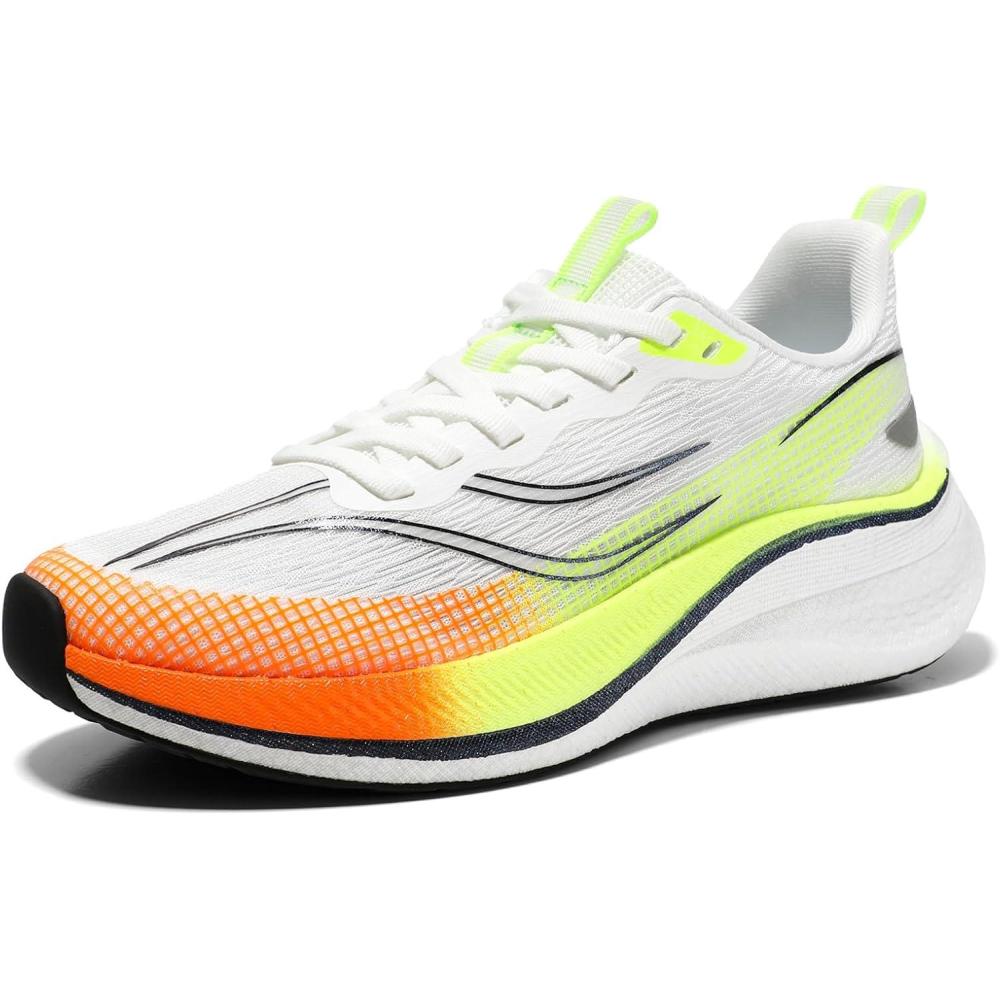
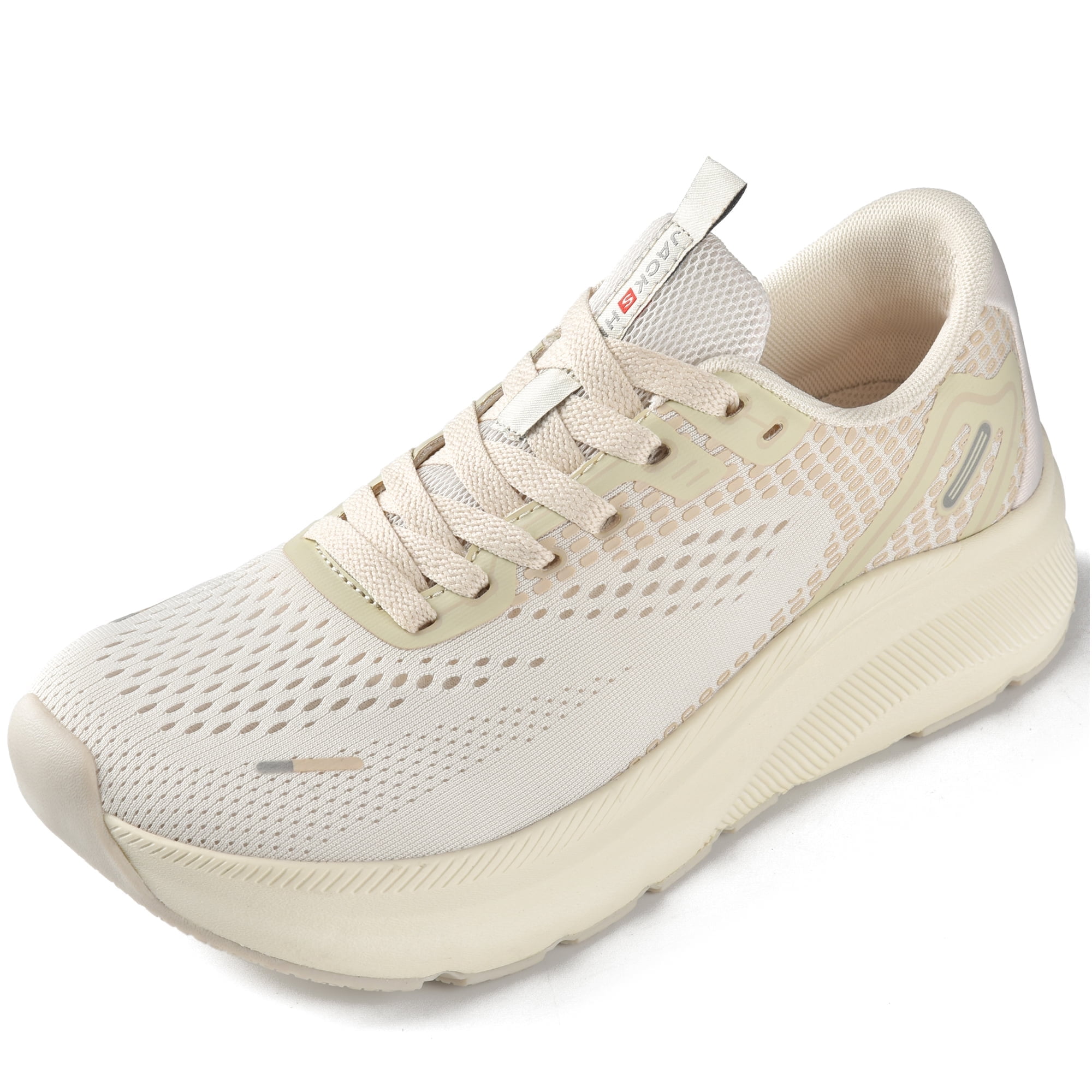
Sports shoes are the specialists of the footwear world. Unlike sneakers, which are designed mainly for style and everyday comfort, sports shoes are built around movement. Every part of the design, from the sole pattern to the upper material, serves a functional purpose.
Wearing the wrong shoe for your activity is one of the most common causes of foot pain, blisters, and even injuries. Running on hard pavement in flat fashion sneakers, for example, puts extra stress on your knees and shins. The right sports shoe reduces that strain and helps you perform better.
stq-shoes
stq-shoes
walmart
Matching the Shoe to the Sport
- Running shoes: Lightweight with strong cushioning to absorb impact. Look for a breathable mesh upper and a heel that supports your stride.
- Training and gym shoes: Flatter, more stable soles that keep you steady during lifts, jumps, and circuit workouts.
- Court shoes (badminton, tennis, basketball): Reinforced sides and grippy soles for quick, sharp direction changes.
- Football and cricket shoes: Studs or spikes for traction on grass, with support around the ankle and forefoot.
- Trail shoes: Aggressive tread and tougher uppers for uneven, muddy, or rocky ground.
Features That Matter
Cushioning softens impact with every step, which protects joints over time. Breathability keeps feet cooler and reduces moisture that leads to blisters. Traction matters because a sole designed for the wrong surface can be slippery or unstable. Support from a firm heel counter and arch structure keeps your foot aligned as you move.
Getting the Fit Right
Fit matters as much as features. Shop in the afternoon or evening, when feet are slightly swollen, since that is close to how they’ll feel during exercise. Leave about a thumb’s width between your longest toe and the front of the shoe. Your heel should stay locked in place without slipping, and nothing should pinch or rub.
Sports shoes also wear out faster than most people realize. As a general rule, running shoes should be replaced after roughly 500 to 800 kilometers, or sooner if the cushioning feels flat or the tread is worn.
Quick Comparison
| Sneakers | Leather Shoes | Sports Shoes | |
|---|---|---|---|
| Main purpose | Daily style and comfort | Formal and professional wear | Athletic performance |
| Style | Casual, trendy | Classic, polished | Functional, sporty |
| Comfort | High | Moderate, improves with wear | Very high for its activity |
| Durability | Good | Excellent with care | Depends on use and mileage |
| Maintenance | Easy | Regular polish and conditioning | Clean and replace when worn |
How to Build a Smart Shoe Collection
You don’t need a closet overflowing with pairs. A small, well-chosen lineup covers almost every situation:
- One versatile sneaker in a neutral color for daily wear.
- One quality leather shoe in black or brown for formal and work occasions.
- One sports shoe matched to your main activity, whether that’s running, the gym, or a court sport.
Buy the best quality you can comfortably afford, and prioritize fit over trends. A shoe that fits well and suits its purpose will always serve you better than one that only looks good in photos.
Final Thoughts
Sneakers bring comfort and casual style, leather shoes bring polish and longevity, and sports shoes bring protection and performance. Each has a role, and understanding the difference helps you spend wisely and feel better on your feet every day.
Next time you shop, ask yourself three questions: Where will I wear these? How often? What do I need them to do? The answers will point you to the right pair.
Your feet carry you through every day, so choose shoes worth the trip.